
There was a time when luxury was impossible to miss.
Luxury was loud.
It arrived in the form of oversized logos, gold accents, extravagant cars, and penthouses designed to be seen. Wealth announced itself openly. The goal was recognition.
Today, something fascinating is happening.
The world’s most sophisticated luxury consumers are moving in the opposite direction.
They are choosing silence.
Not because they cannot afford more.
But because they can.
Welcome to the age of quiet luxury.
When Luxury Was About Being Seen
For decades, luxury brands competed for attention.
The larger the logo, the better.
The more recognizable the product, the more desirable it became.
Owning luxury was often about communicating success to others.
A handbag wasn’t just a handbag.
A watch wasn’t just a watch.
A hotel wasn’t simply a place to sleep.
They became symbols.
Ways of saying, “I made it.”
There is nothing inherently wrong with that.
Human beings have always used possessions to signal identity and status.
But over time, many affluent consumers began seeking something different.
The Rise of Quiet Luxury
Quiet luxury is not a trend.
It is a mindset.
Instead of asking:
“Will people recognize this?”
People increasingly ask:
“Will I enjoy this?”
The difference is profound.
A quiet luxury wardrobe might contain beautifully tailored clothing with no visible branding.
A luxury home may focus on natural light, craftsmanship, and comfort rather than excess.
A luxury vacation may involve a secluded mountain retreat rather than a crowded hotspot.
The goal is no longer attention.
The goal is experience.
Luxury Nobody Sees
Some of the most expensive luxuries today are almost invisible.
Consider:
- A private library filled with books collected over decades.
- A handmade ceramic tea set crafted by a master artisan.
- A custom-tailored coat worn for twenty years.
- A secluded garden hidden behind a city townhouse.
- A peaceful morning with no meetings, notifications, or obligations.
None of these are designed for social media.
Yet many people would consider them priceless.
Why?
Because they improve life rather than merely decorate it.
The Luxury of Time
Perhaps the most valuable luxury in the modern world is time.
Money can buy many things.
Time cannot be purchased directly.
As people become more successful, many discover that what they truly want is not another possession.
They want freedom.
Freedom to travel slowly.
Freedom to spend an afternoon reading.
Freedom to have breakfast without checking emails.
Freedom to take a long walk through Kyoto during cherry blossom season.
Freedom to sit beside the Han River in Seoul and watch the sunset.
Time transforms ordinary moments into extraordinary experiences.
And that is luxury in its purest form.
Why Asia Understands This So Well
Many Asian cultures have long embraced forms of luxury that are subtle rather than obvious.
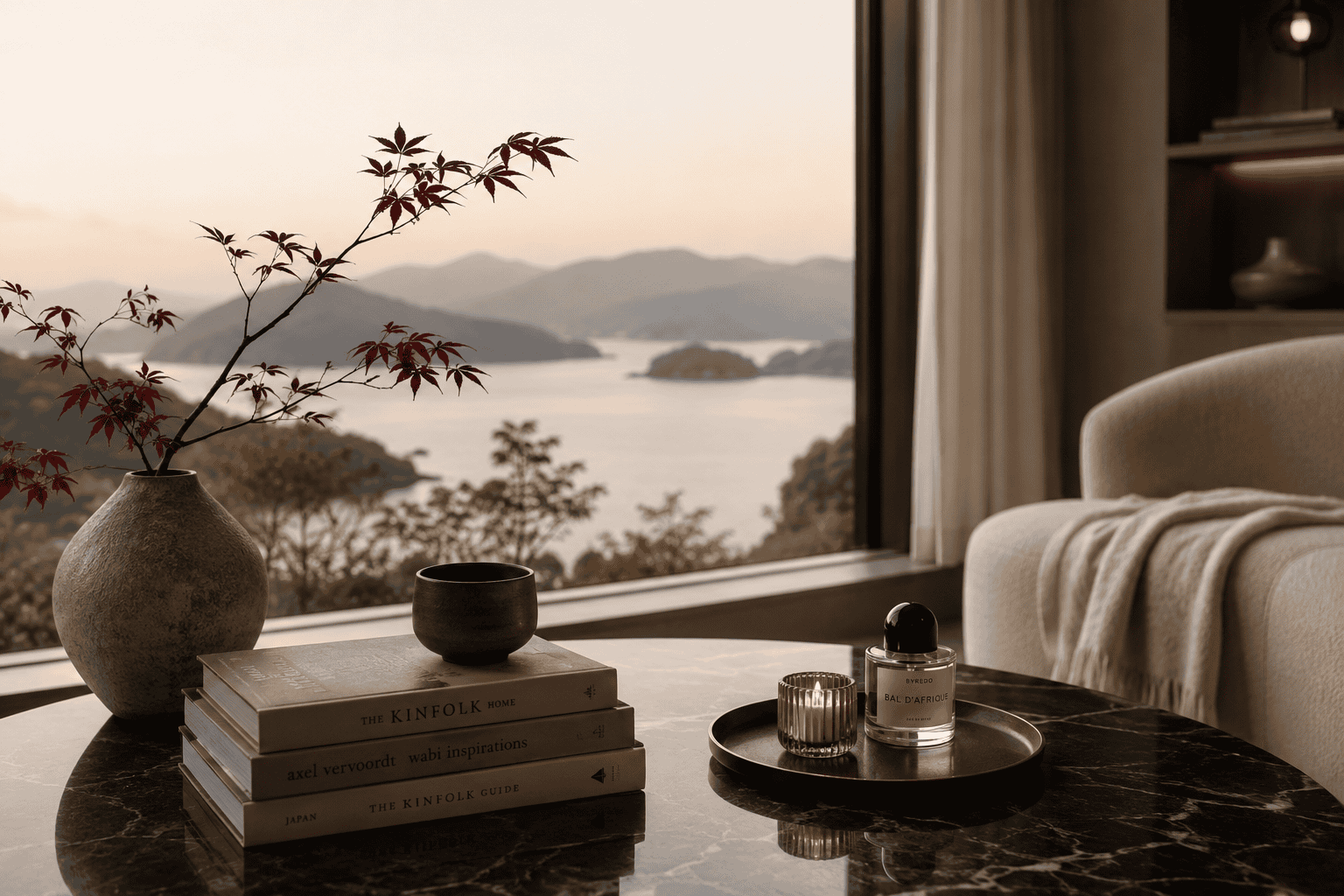
In Japan, beauty is often found in simplicity.
A carefully prepared tea ceremony can feel more luxurious than a lavish banquet.
A centuries-old ryokan may offer an experience richer than many modern hotels.
In South Korea, a hidden café overlooking a quiet garden often feels more special than the trendiest destination.
Across Asia, luxury frequently focuses on atmosphere, craftsmanship, and emotional experience.
It is not about owning the most.
It is about appreciating the best.
The Return of Craftsmanship
Mass production created abundance.
But abundance also created sameness.
As a result, people increasingly value objects made with care.
A handwoven textile.
A handcrafted notebook.
A piece of furniture built by an artisan.
A fragrance blended in small batches.
These items tell stories.
They carry the fingerprints of the people who created them.
And in a world dominated by algorithms and automation, human craftsmanship feels increasingly rare.
Rarity has always been a defining characteristic of luxury.
Beautiful Spaces, Beautiful Lives
Luxury is not always something you buy.
Sometimes it is something you create.
A beautifully arranged dining table.
Fresh flowers beside a window.
Soft lighting in the evening.
Music playing while rain falls outside.
These details cost very little.
Yet they transform daily life.
The most elegant people understand this secret.
Luxury is often less about accumulation and more about intention.
The way a space feels matters more than how much it costs.
The Future of Luxury
The future of luxury may look surprisingly different from its past.
Instead of excess, people seek meaning.
Instead of visibility, they seek authenticity.
Instead of status, they seek experiences.
Luxury is becoming more personal.
More emotional.
More thoughtful.
And perhaps more beautiful.
Because true luxury has never been about impressing strangers.
It has always been about enriching life.
Final Thoughts
The most luxurious things in the world are often impossible to photograph.
A peaceful mind.
A meaningful conversation.
A beautiful home.
A favorite book.
A quiet morning.
A sense of belonging.
These experiences cannot be displayed in a shop window.
Yet they remain the luxuries people remember most.
In the end, luxury is not about having more.
It is about appreciating more.
And that may be the greatest luxury of all.