

There is a strange moment that happens during almost every memorable trip.
It rarely appears on itineraries.
No travel guide recommends it.
No influencer plans for it.
Yet somehow, it often becomes the moment people remember most.
It happens when you get lost.
Not dangerously lost.
Not hopelessly lost.
Just far enough away from your plans to discover something unexpected.
In a world obsessed with optimization, schedules, and carefully curated experiences, getting lost may be one of the last luxuries still available to travelers.
The Problem With Perfect Itineraries
Modern travel has become incredibly efficient.
Before arriving in a city, we often know:
- where we’ll eat
- where we’ll stay
- what we’ll photograph
- which attractions we’ll visit
- what time we’ll arrive
Everything is planned.
Everything is researched.
Everything is optimized.
On paper, this sounds ideal.
But sometimes something gets lost in the process.
Surprise.
Travel begins feeling less like exploration and more like completing a checklist.
The destination becomes a series of appointments rather than discoveries.
And while planning has its place, the most meaningful moments often arrive when plans quietly fall apart.
A Side Street in Seoul
Imagine walking through Seoul on a cool autumn evening.
You are heading toward a famous café recommended online.
The route is simple.
The destination is known.
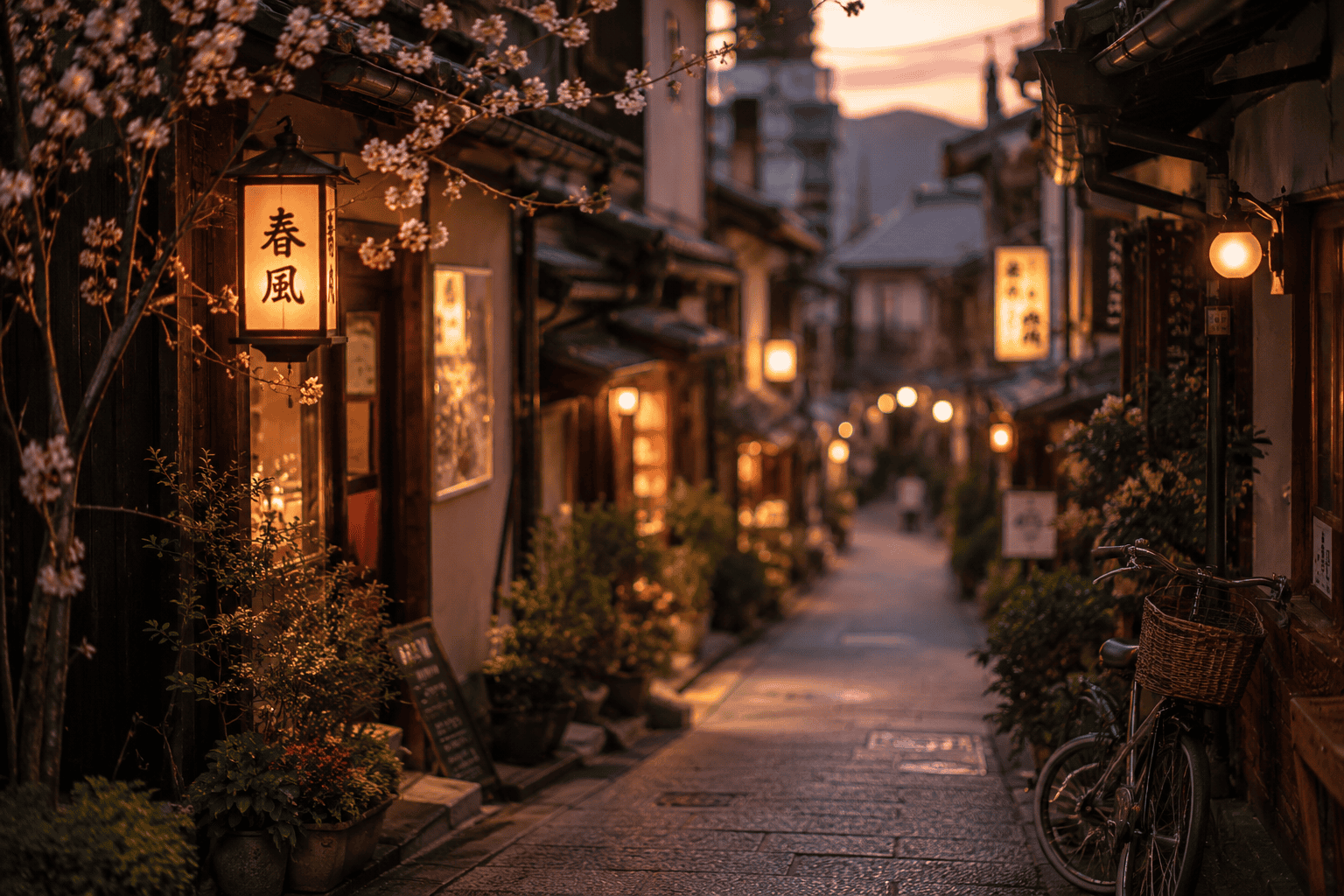
But halfway there, you notice a narrow side street illuminated by warm lanterns.
There is no reason to go there.
No reviews.
No viral videos.
No rankings.
Yet curiosity wins.
A few minutes later, you discover:
- a tiny bookstore
- a family-run restaurant
- an old record shop
- a hidden courtyard café
Suddenly, your favorite memory from Seoul isn’t the famous destination you researched.
It’s the place you never intended to find.
Why Unexpected Places Feel More Special
Psychologists have long understood that novelty creates stronger memories.
When experiences surprise us, our brains pay closer attention.
We become more present.
More engaged.
More alive.
This is why an unplanned evening often feels more vivid years later than an expensive attraction.
Unexpected moments carry emotional weight.
They feel personal.
As if the city revealed a secret meant only for you.
Japan Understands This Beautifully
Some of the most memorable places in Japan are difficult to describe because they were never meant to be destinations.
A quiet alley in Kyoto.
A small tea house hidden behind a garden wall.
A local bakery in Kanazawa.
A train station overlooking the sea.
These places aren’t famous because of marketing.
They become special because of atmosphere.
And atmosphere cannot always be planned.
It must be discovered.
Luxury Is Not Always Expensive
The travel industry often associates luxury with:
- private villas
- first-class flights
- luxury hotels
- exclusive experiences
Those things can certainly be wonderful.
But there is another kind of luxury.
The luxury of time.
The luxury of curiosity.
The luxury of wandering without purpose.
Imagine spending an afternoon with nowhere specific to be.
No reservations.
No deadlines.
No pressure to create content.
Just exploring.
For many modern travelers, that freedom feels more luxurious than any five-star suite.
The Most Beautiful Cities Reward Curiosity
Cities like Seoul, Tokyo, Kyoto, Singapore, and Taipei have a unique quality.
They reveal themselves slowly.
The first visit often shows only the surface.
The second visit reveals something deeper.
The third visit begins uncovering hidden layers.
The more time you spend wandering, the more these cities reward you.
A hidden café.
A rooftop garden.
An independent gallery.
A bookstore nobody talks about.
These discoveries create a relationship with a city that no guidebook can provide.
The Art of Wandering
The best travelers are not always the most organized.
Often, they are simply the most curious.
They leave room for chance.
They allow cities to surprise them.
They understand that not every moment needs to be productive.
Sometimes the goal is simply to walk.
To observe.
To notice.
To follow an interesting street.
To enter an unfamiliar shop.
To sit in a café because the lighting feels beautiful.
These small decisions often lead to the experiences that stay with us forever.
A Different Definition of Success
Many travelers judge trips by how much they accomplish.
How many attractions.
How many photos.
How many cities.
But perhaps a better question is:
How much did you feel?
Did you experience wonder?
Did you discover something unexpected?
Did a place surprise you?
Did you return home with stories rather than simply photographs?
If the answer is yes, the trip was successful.
Final Thoughts
The next time you travel, leave a little room in your schedule.
Not a lot.
Just enough.
Enough for curiosity.
Enough for wandering.
Enough for a city to introduce itself on its own terms.
Because the most memorable café may not be the one everyone recommends.
The most beautiful view may not appear on social media.
And the best story from your trip may begin with three simple words:
“I got lost.”
Sometimes the greatest luxury in travel is not knowing exactly where you’re going.
And trusting that something beautiful is waiting around the next corner.
—
The Scarlet Kingdom
Luxury. Lifestyle. Culture.